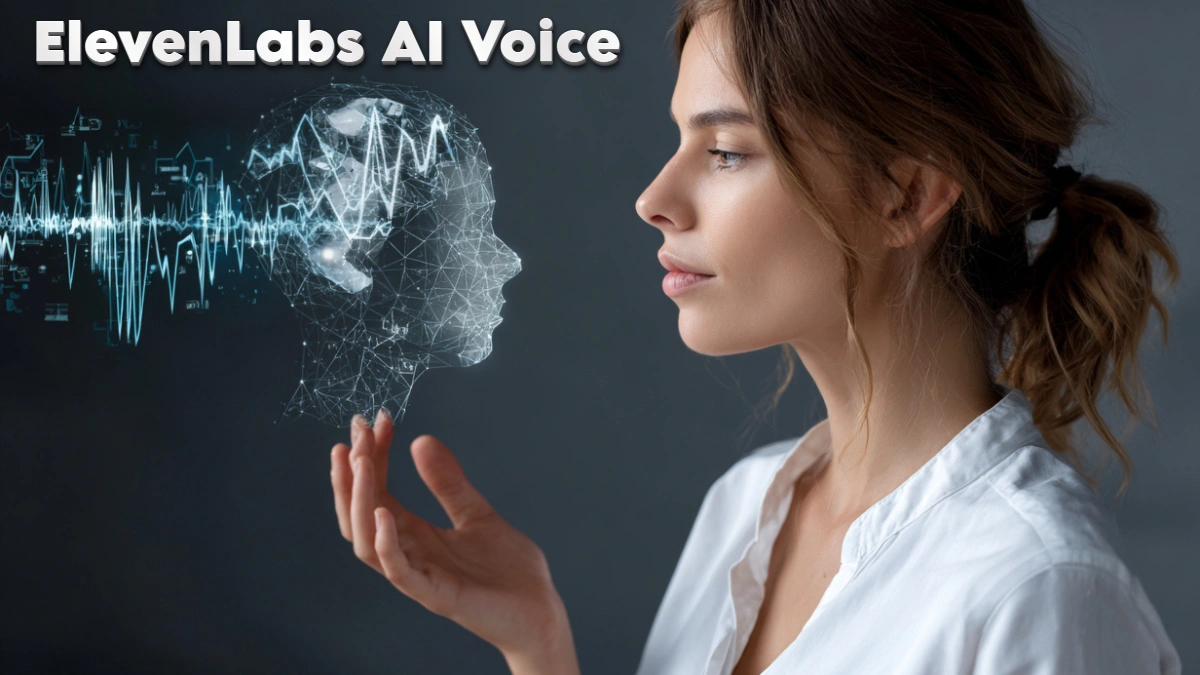
AI voice technology has advanced rapidly in recent years, and one of the most talked-about platforms in this space is ElevenLabs AI Voice. From realistic voice generation to multilingual support, the platform has gained attention among creators, developers, and businesses. At the same time, it has also raised important ethical questions around voice cloning.
At Wonder Web Hub, we focus on explaining technology clearly and responsibly. In this article, we explore ElevenLabs AI Voice, its new features, general pricing structure, and the ethical concerns users should be aware of — explained in a neutral and beginner-friendly way.
What Is ElevenLabs AI Voice?
ElevenLabs AI Voice is an artificial intelligence platform designed to generate natural-sounding speech from text. It uses advanced machine learning models to create voices that sound realistic, expressive, and human-like.
In simple words:
ElevenLabs allows users to turn text into realistic AI-generated speech.
It is commonly used for narration, accessibility, education, and content creation.
Why AI Voice Technology Is Growing Rapidly
AI voice tools are becoming popular because they solve real-world problems.
Key Reasons for Growth:
- Rising demand for audio content
- Growth of podcasts and audiobooks
- Accessibility needs (text-to-speech)
- Remote content creation
- Multilingual communication
AI voice tools help reduce time and effort while expanding content reach.
New Features Introduced by ElevenLabs
ElevenLabs continues to improve its platform to make voice generation more flexible and natural.
Notable New Features:
Improved Voice Naturalness
Newer models focus on:
- Better tone variation
- More natural pauses
- Emotional expression
- Reduced robotic sound
This makes generated voices sound more human and engaging.
Multilingual and Accent Support
ElevenLabs supports multiple languages and accents, helping users create voice content for a global audience.
Voice Customization Options
Users can adjust:
- Voice style
- Pace and clarity
- Emotional intensity
Customization helps match voice output with content purpose.
Voice Cloning Capabilities
The platform allows voice cloning with consent, enabling users to recreate specific voices for approved use cases such as narration or accessibility.
General Pricing Structure (High-Level Overview)
ElevenLabs typically offers tiered pricing, which may include:
Common Pricing Elements:
- Free or trial access with limitations
- Paid plans with higher usage limits
- Advanced plans for professional use
- Usage-based limits (characters or minutes)
⚠️ Pricing details can change over time, so users should always check the official ElevenLabs website for the most accurate information.
Who Commonly Uses ElevenLabs AI Voice?
ElevenLabs is used across different fields.
Common User Groups:
- Content creators and YouTubers
- Podcasters and audiobook producers
- Educators and e-learning platforms
- Accessibility advocates
- Developers building voice-based apps
Use cases vary depending on needs and responsibility.
Ethical Concerns Around Voice Cloning
While AI voice technology is powerful, it also raises ethical concerns — especially with voice cloning.
Key Ethical Issues:
Consent and Permission
Cloning a voice without explicit consent can lead to misuse and privacy violations.
Risk of Misinformation
Realistic AI voices can be misused to spread false or misleading information if not handled responsibly.
Identity and Trust
Voice is a personal identifier. Misuse can harm trust, reputation, and personal safety.
Regulation and Responsibility
The rapid pace of AI voice development raises questions about:
- Legal frameworks
- Platform responsibility
- User accountability
Ethical use depends on both platforms and users.
How ElevenLabs Addresses Ethical Concerns
Platforms like ElevenLabs emphasize responsible use.
Common Safeguards Include:
- Policies against misuse
- Consent-based voice cloning rules
- Content moderation systems
- Clear usage guidelines
However, ethical AI use also depends heavily on user behavior.
Responsible Use of AI Voice Tools
Users should approach AI voice technology thoughtfully.
Best Practices:
- Use voices only with proper consent
- Avoid deceptive or harmful use
- Follow platform guidelines strictly
- Clearly disclose AI-generated audio when required
- Combine AI tools with ethical judgment
Responsible use protects both creators and audiences.
Common Misconceptions About AI Voice Cloning
Many misunderstandings exist around AI voice tools.
Common Myths:
- AI voice tools are illegal by default
- Voice cloning always means misuse
- AI voices replace human voice actors
- Platforms control all misuse completely
In reality, ethical outcomes depend on how tools are used.
Also Read: Mistral AI in 2025: How Open-Weight LLMs Are Competing With Big Tech Giants
Final Thoughts
ElevenLabs AI Voice represents a major step forward in AI-powered speech generation, offering improved realism, customization, and accessibility. At the same time, its voice cloning capabilities highlight the importance of ethical responsibility, consent, and transparency.
At Wonder Web Hub, we believe that understanding both the power and responsibility of AI tools helps users make informed and ethical choices. AI voice technology can be valuable when used correctly — but trust and ethics must always come first.
Author Note
Published by Wonder Web Hub
Providing clear, balanced, and beginner-friendly insights on AI tools, digital ethics, and emerging technology.